ABOUT COTTONWOOD RETREAT
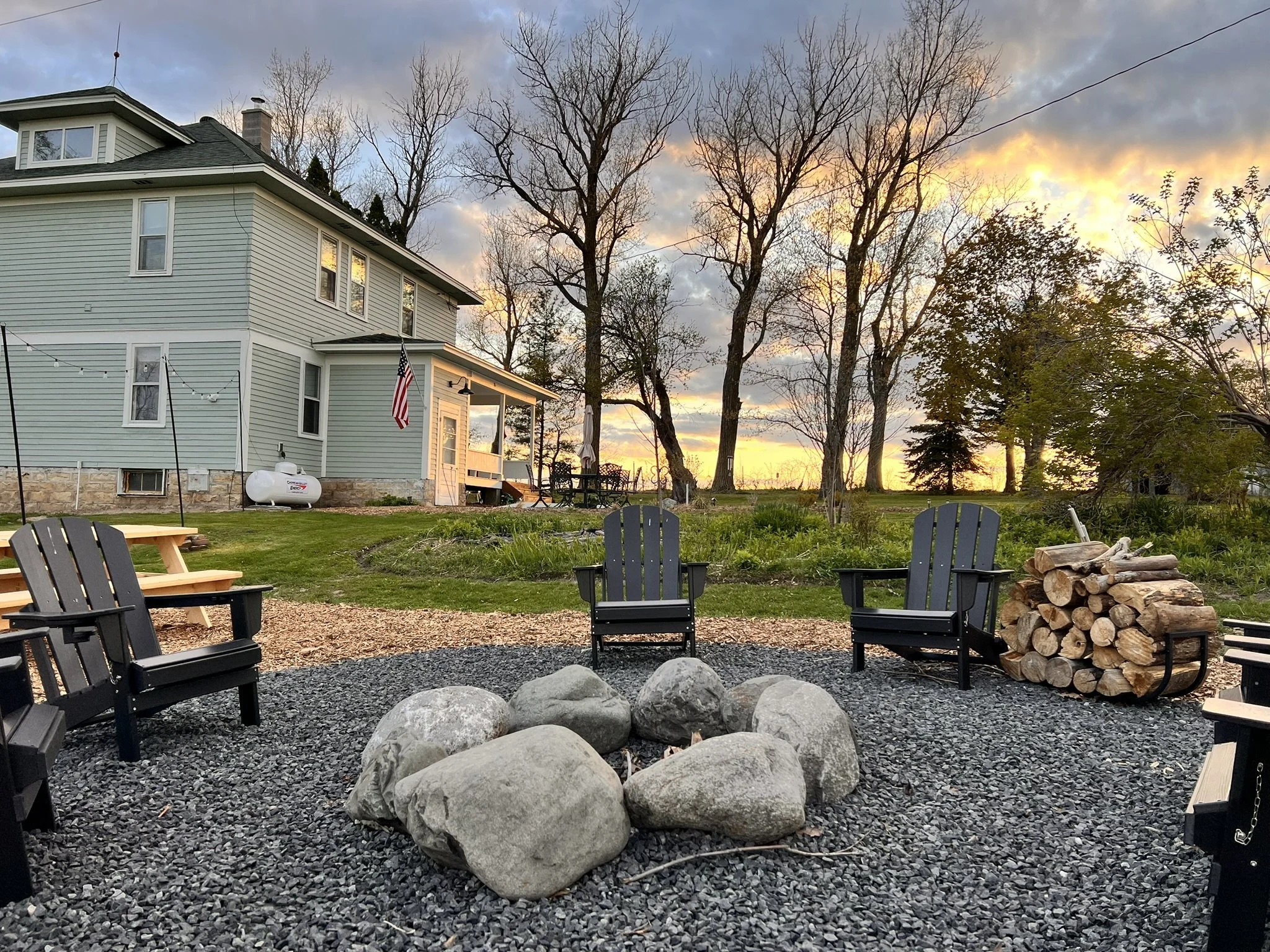
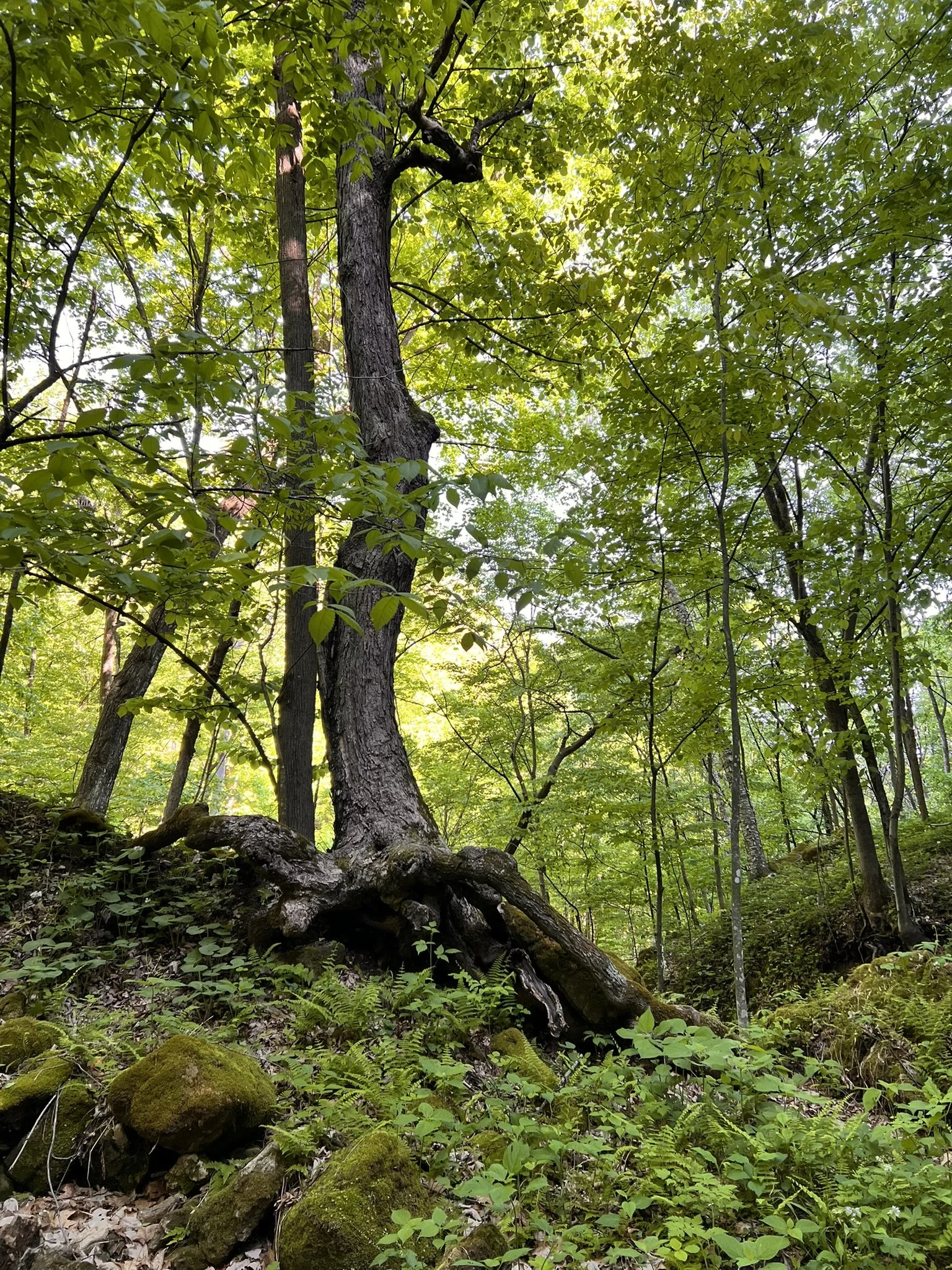
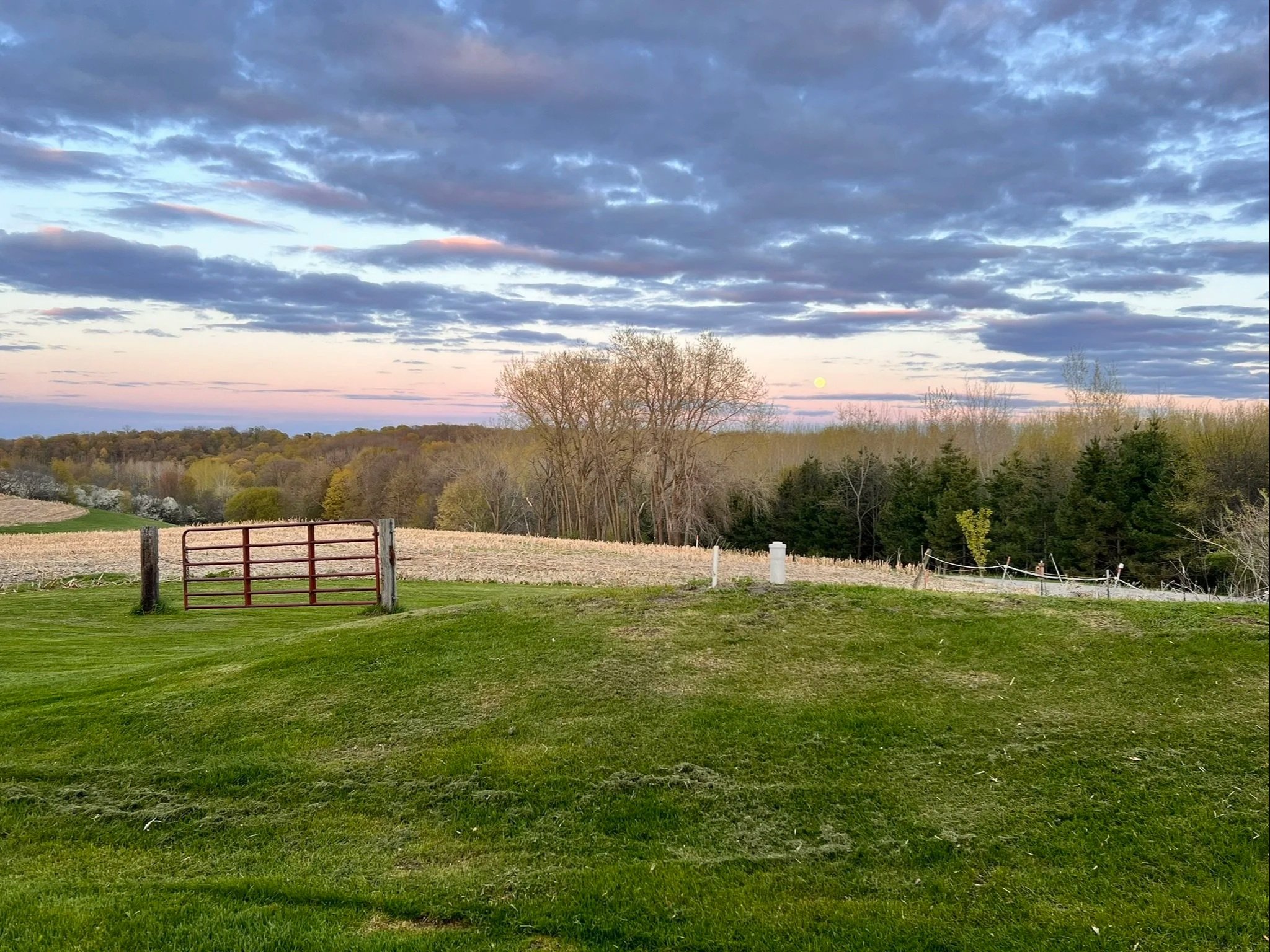
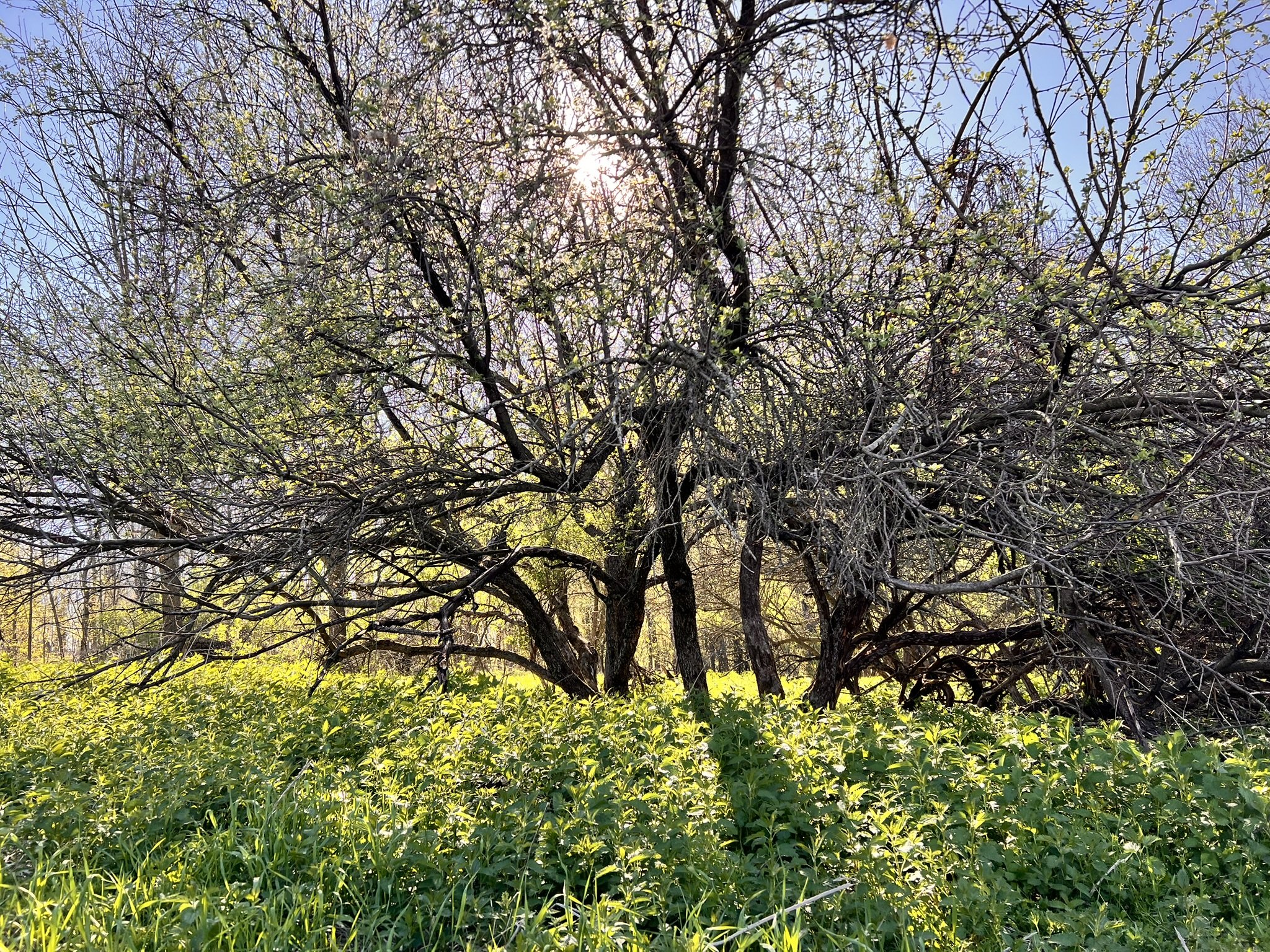
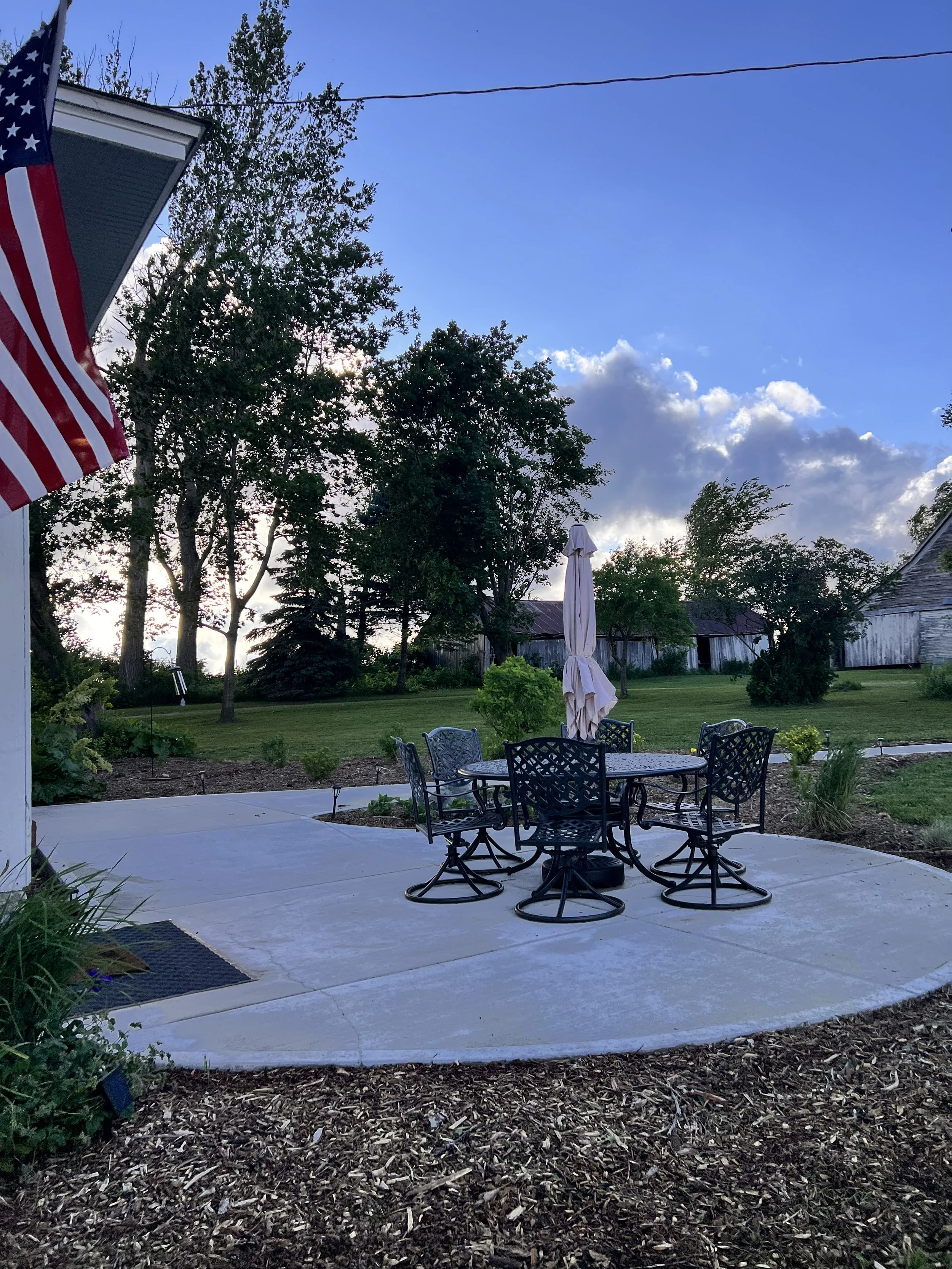
Tucked into the quiet beauty of the Wisconsin countryside, Cottonwood Retreat was created as a place to slow down, reconnect, and experience the simplicity of nature. Surrounded by open fields, wooded edges, and ever-changing skies, the property offers space to breathe—whether you’re here for rest, reflection, or a meaningful getaway.
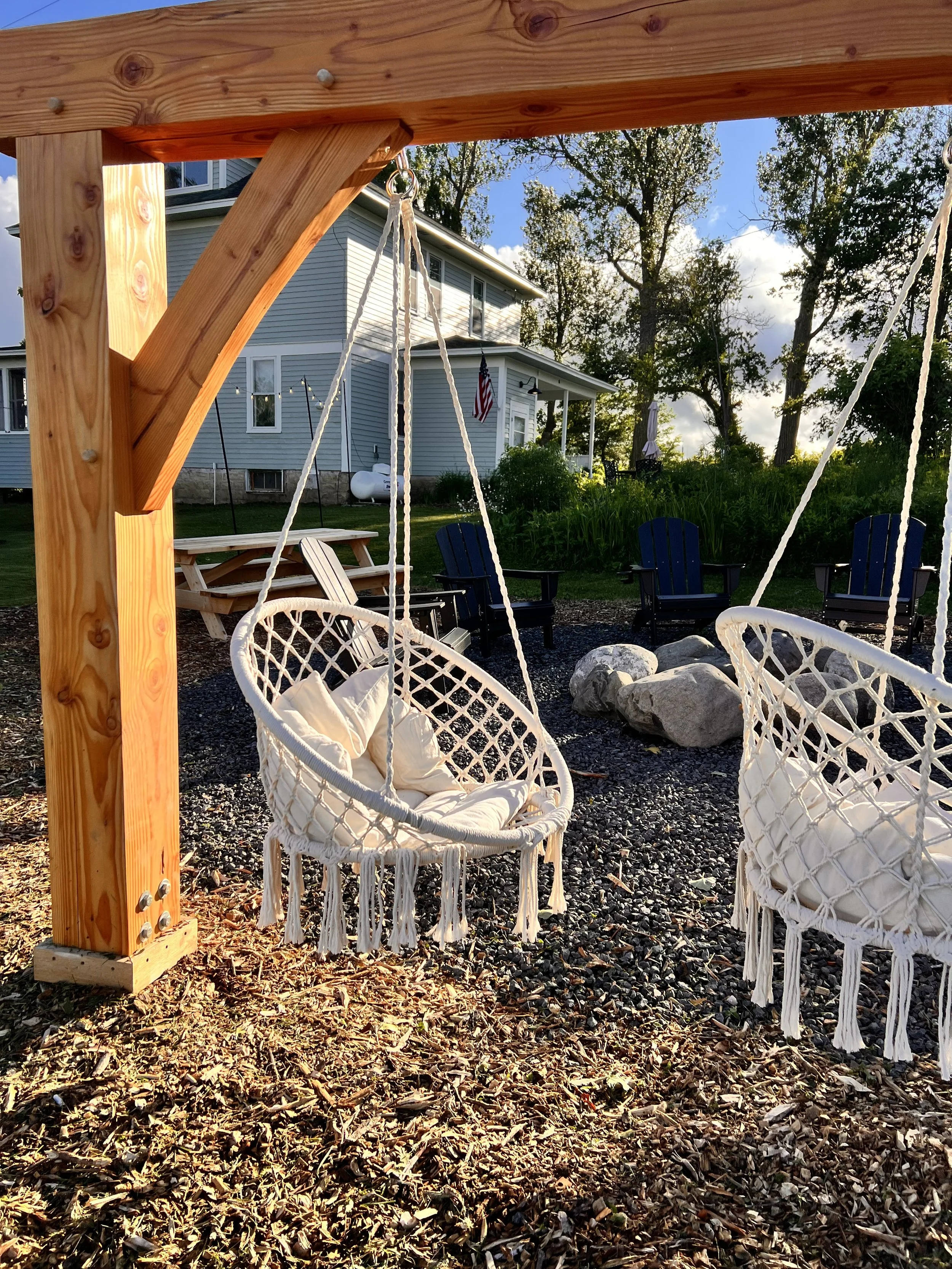
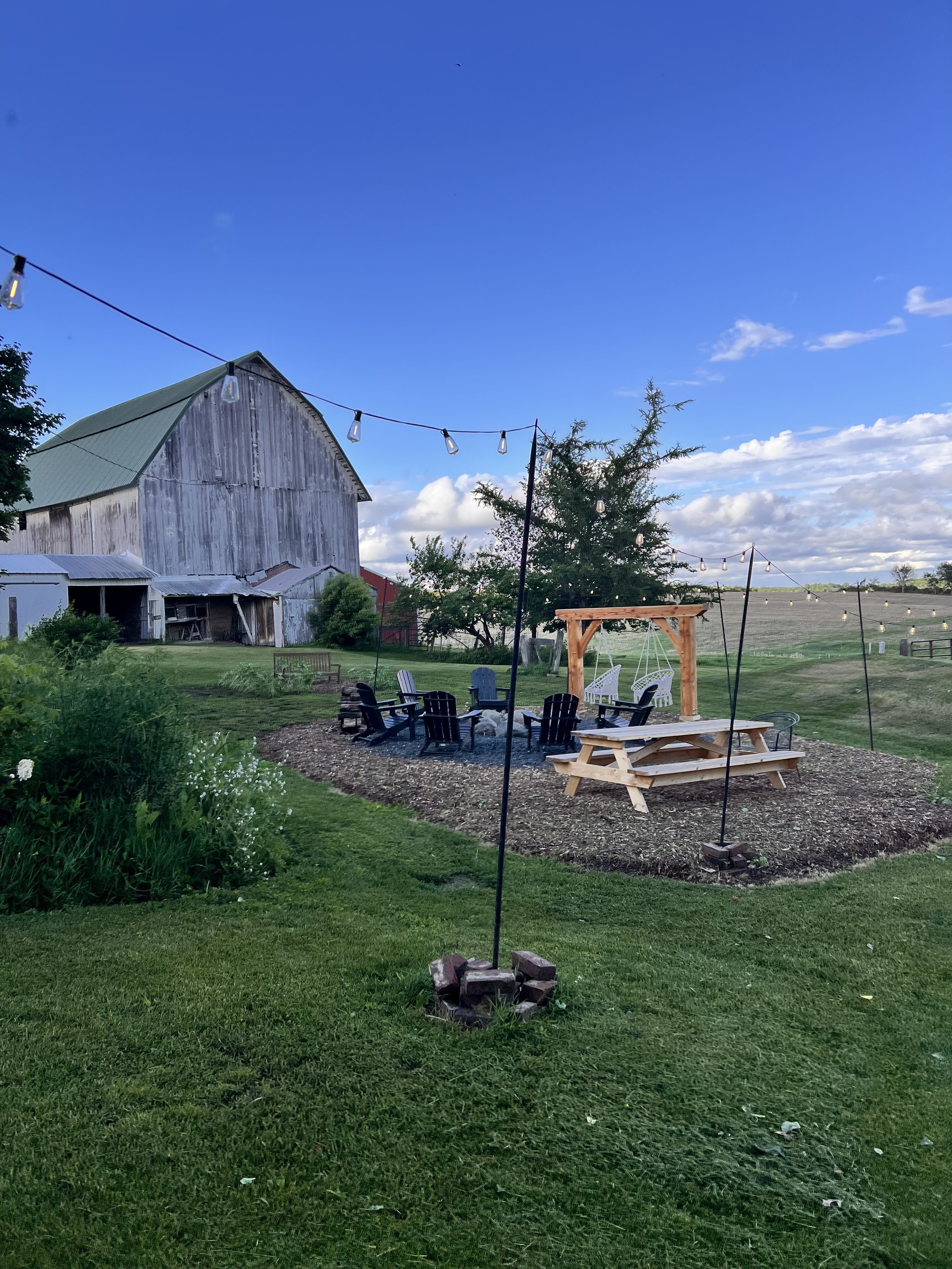
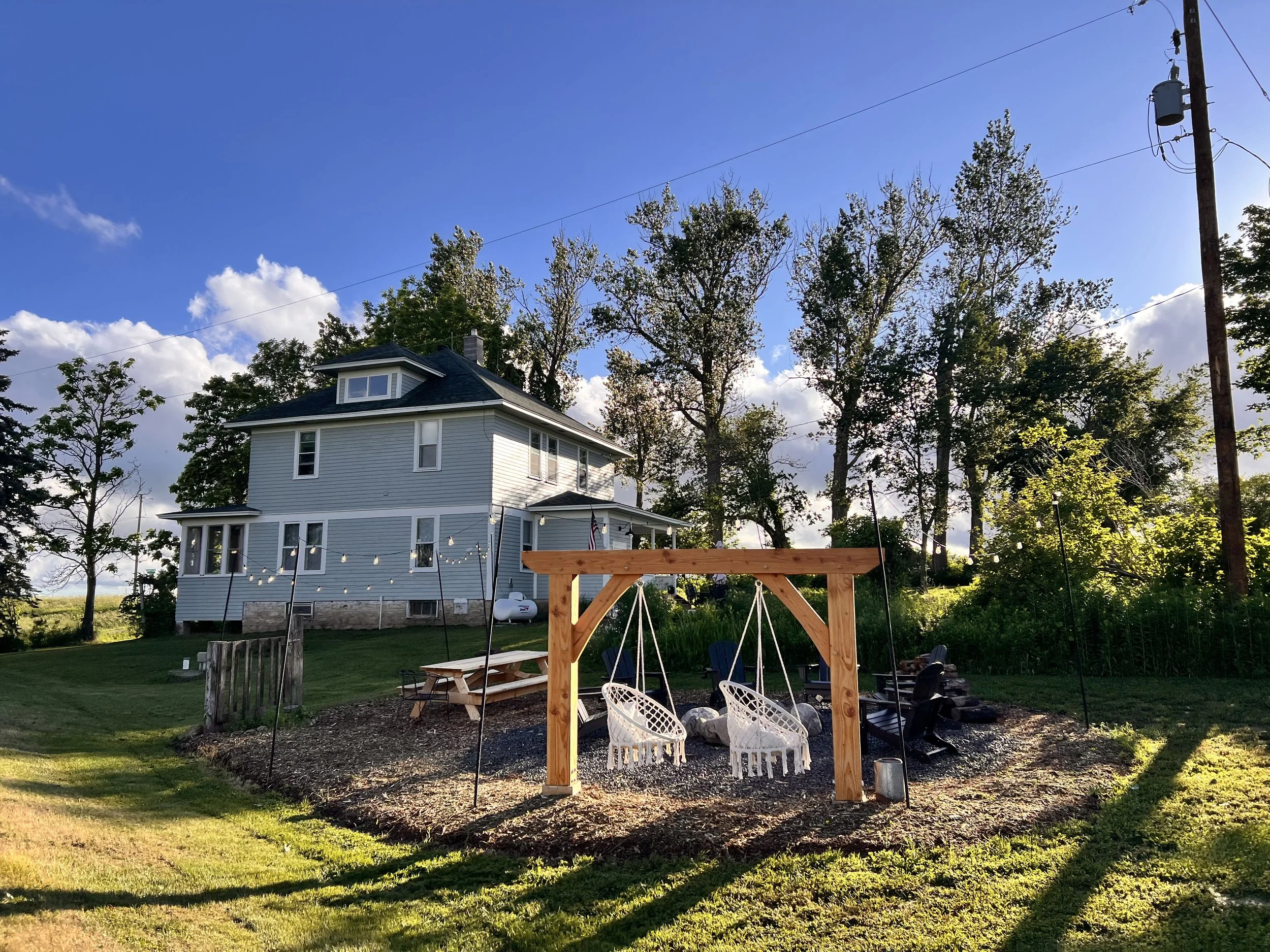
What makes Cottonwood special isn’t just the setting—it’s the feeling. Mornings are quiet and unhurried. Evenings invite you to gather, unwind, and take in the stillness. Whether you’re walking the property, sitting by a fire, or simply enjoying the calm of being away, this is a place designed for presence.
Cottonwood Retreat is both a private escape and a space for intentional experiences. Throughout the year, we host retreat days focused on wellness, creativity, and connection—offering guests the opportunity to engage more deeply with themselves and their surroundings.

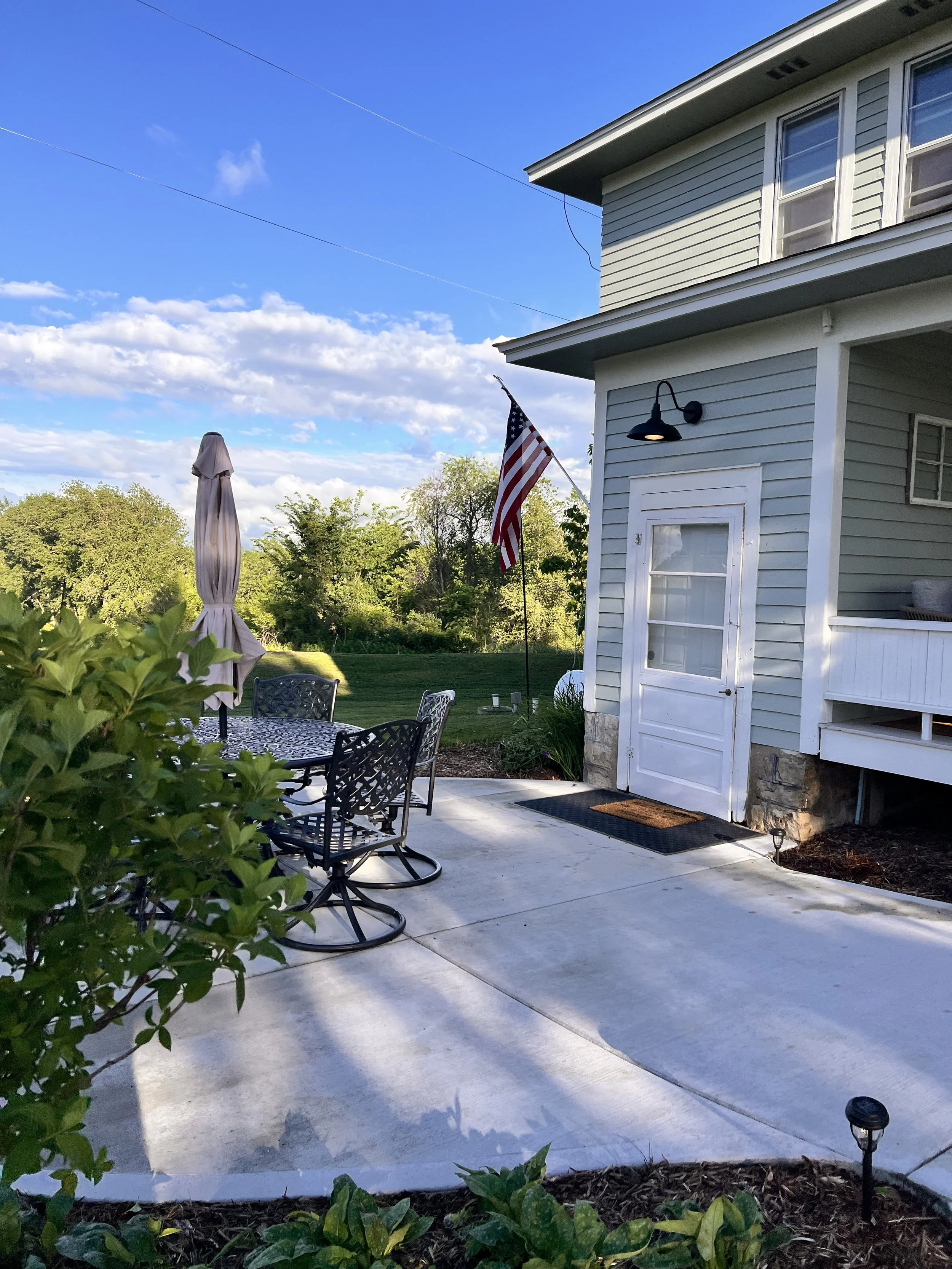
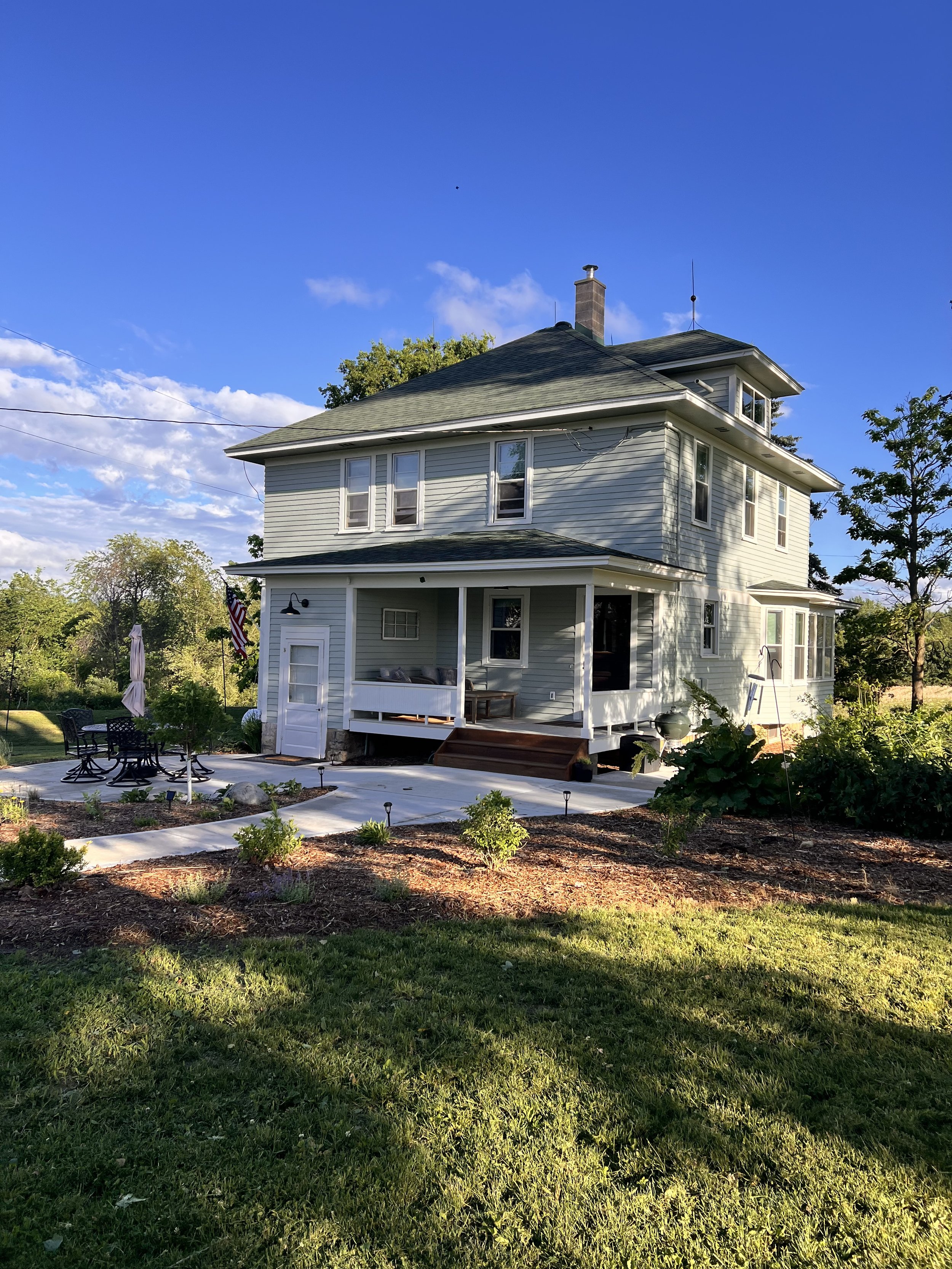
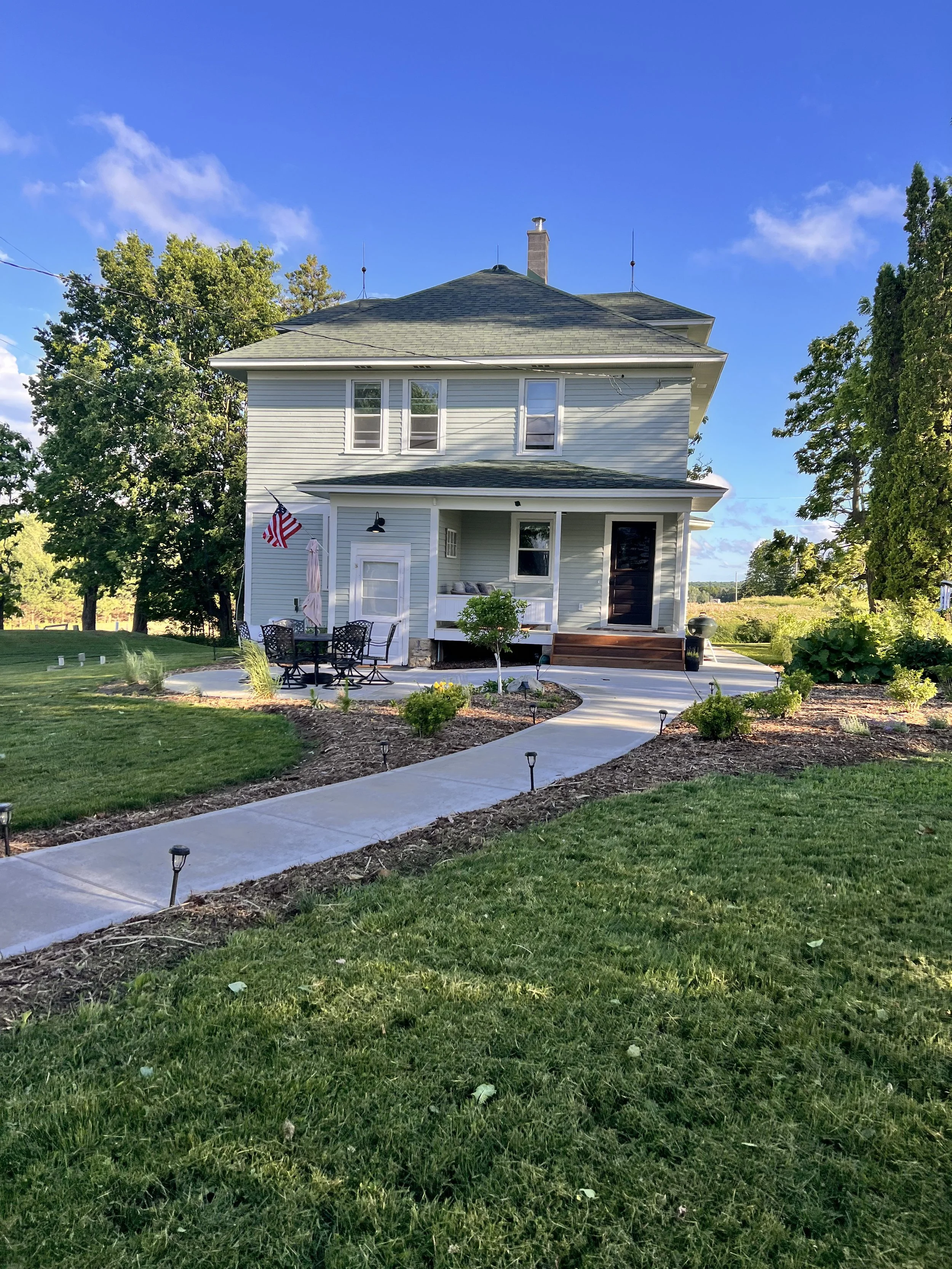
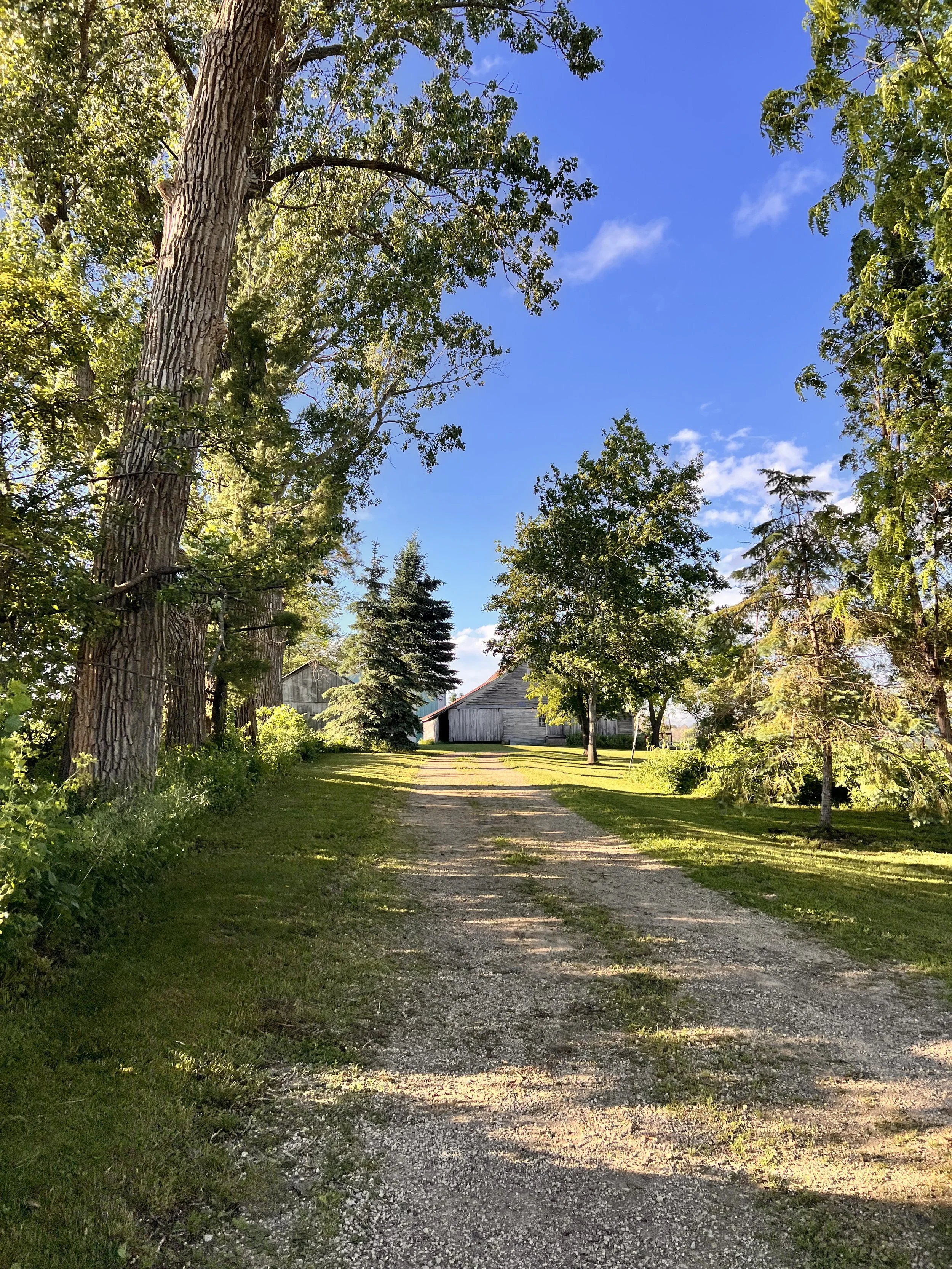
Cottonwood Retreat History
Nestled in the rolling countryside of rural Arkansaw, WI in Pepin County, Cottonwood Retreat carries with it a history shaped by resilience, family, hardship, and deep roots in the land. Long before the property became the peaceful retreat it is today, this parcel began as unoccupied land owned by the Chicago Saint Paul Minneapolis and Omaha Railway Company. On November 24, 1886, the land was purchased by Philip Cline (Kline) for just $248, marking the beginning of its recorded history as a homestead.
Years later, on November 8, 1900, Philip sold the property to Thomas B. Todd for $1,800. Thomas and his wife, Pearl Todd, lived on the farm for only a few years.
The true heart of the property’s story began on February 18, 1903, when Bernard “Ben” Laschinger purchased the farm for $1,900. Ben Laschinger would become part of the longest-standing family to own this land, beginning a chapter filled with both joy and sorrow.
Bernard Laschinger was born on November 1, 1875, in Austria to Franz and Theresia Laschinger. According to ancestry records, German was his native language. In 1889, at just fourteen years old, Ben immigrated to the United States, eventually settling in western Wisconsin. On February 14, 1899, he married Anna M. Birkel at St. Henry's Church. Annie, as she was known, was born in Wisconsin on June 21, 1878.
Together, Ben and Annie built a life on the farm and raised three children there. Like many farm families of the early 1900s, their lives were deeply tied to the land, the animals, and the changing seasons. Yet the family also experienced heartbreaking loss.
Their daughter Cecilia Laschinger was born on December 17, 1902, but tragically passed away on September 21, 1906, only months before her fourth birthday. Though no records have been found explaining the cause of her death, her short life still feels important to remember.
Ben and Annie’s son, Frank Edward Laschinger, was born on October 27, 1900. Frank was expected to one day take over the family farm, but tragedy struck when he was killed in a tractor rollover accident on the property. Newspaper clippings from the time documented the devastating event. After Frank’s passing, it became painfully clear that the farm could no longer operate as it once had. Frank had been the future of the operation, and without him, Ben faced the difficult decision to sell the livestock, equipment, and much of the working farm. An auction advertisement published shortly after Frank’s death shows how quickly life changed for the family — the auction took place only about a month after the accident.
Lastly, Elizabeth Laschinger was born on August 1, 1905. She would go on to become the family member who continued owning and caring for the property for the rest of her life. On January 27, 1958, she married Adam Franzen. The marriage later ended in divorce.
Elizabeth passed away on November 13, 1992. Following her death, another farm auction was held, and for the first time since 1903, the property left the ownership of the Laschinger family. Discovering the auction records reveals something remarkable — at some point during Elizabeth’s years on the farm, the dairy operation had been brought back to life. Given her age, it is likely she had hired help assisting with the day-to-day work, but it raises the question of what motivated her to continue. Was it simply a source of income, or was it something deeper? Perhaps she found purpose and pride in keeping alive the dream her father and brother once had for the farm.
The auction records paint the picture of a thriving and fully operational dairy farm, with many items listed as nearly new. It is hard not to imagine Elizabeth taking pride in seeing the farm functioning at its fullest potential during her later years. Even after unimaginable loss, the Laschinger family never seemed to lose their pride in this land or their commitment to preserving it.
To continue telling the story of the people who shaped this farm, it would be impossible not to mention Susan Yerigan, who became one of the property’s later owners in 2002. Susan left an enormous impact on the farm and its identity. She had a deep passion for herbal medicine and made use of the abundant plants growing throughout the property, operating an herbal medicine business here until her passing in 2023.
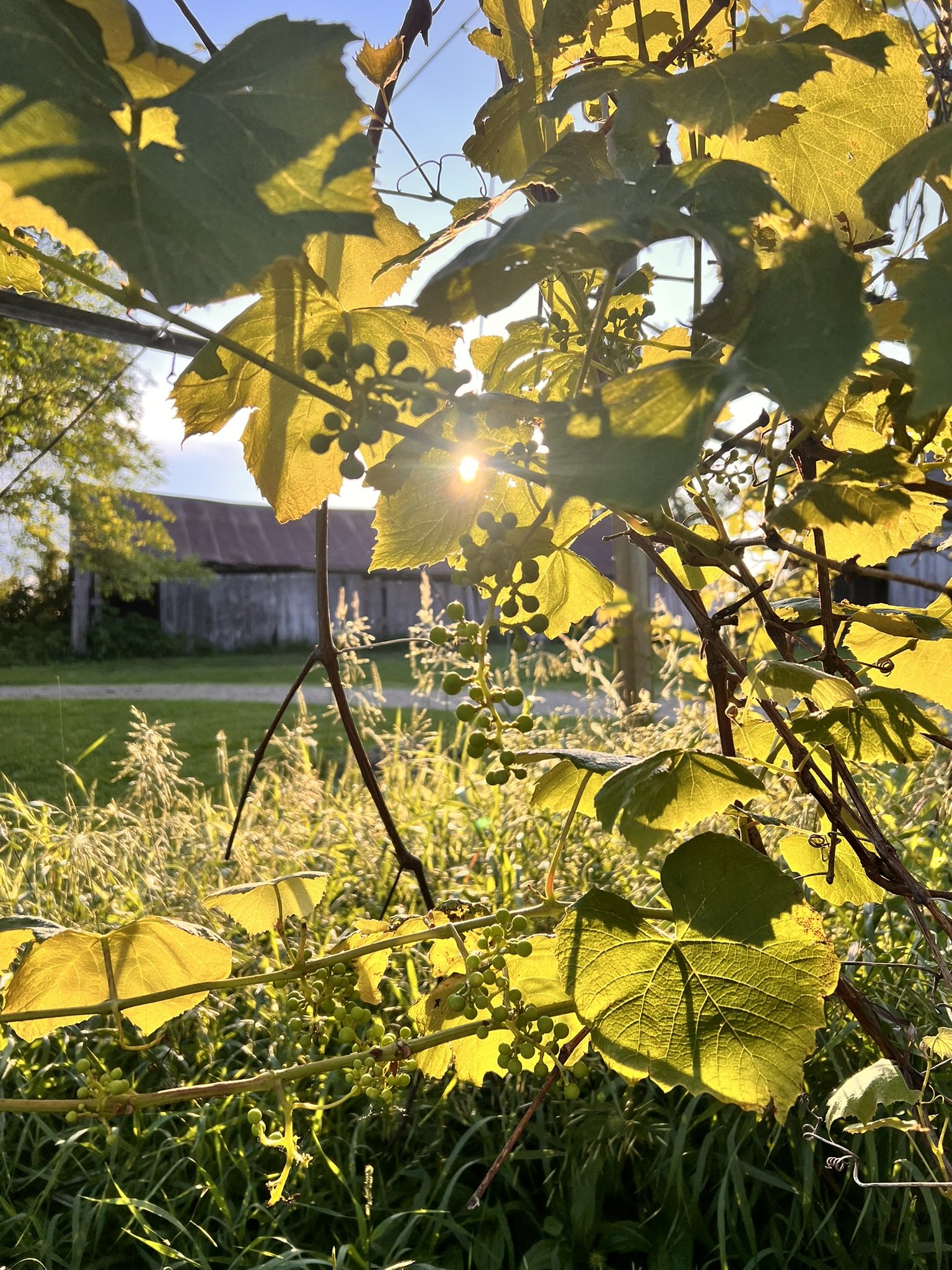
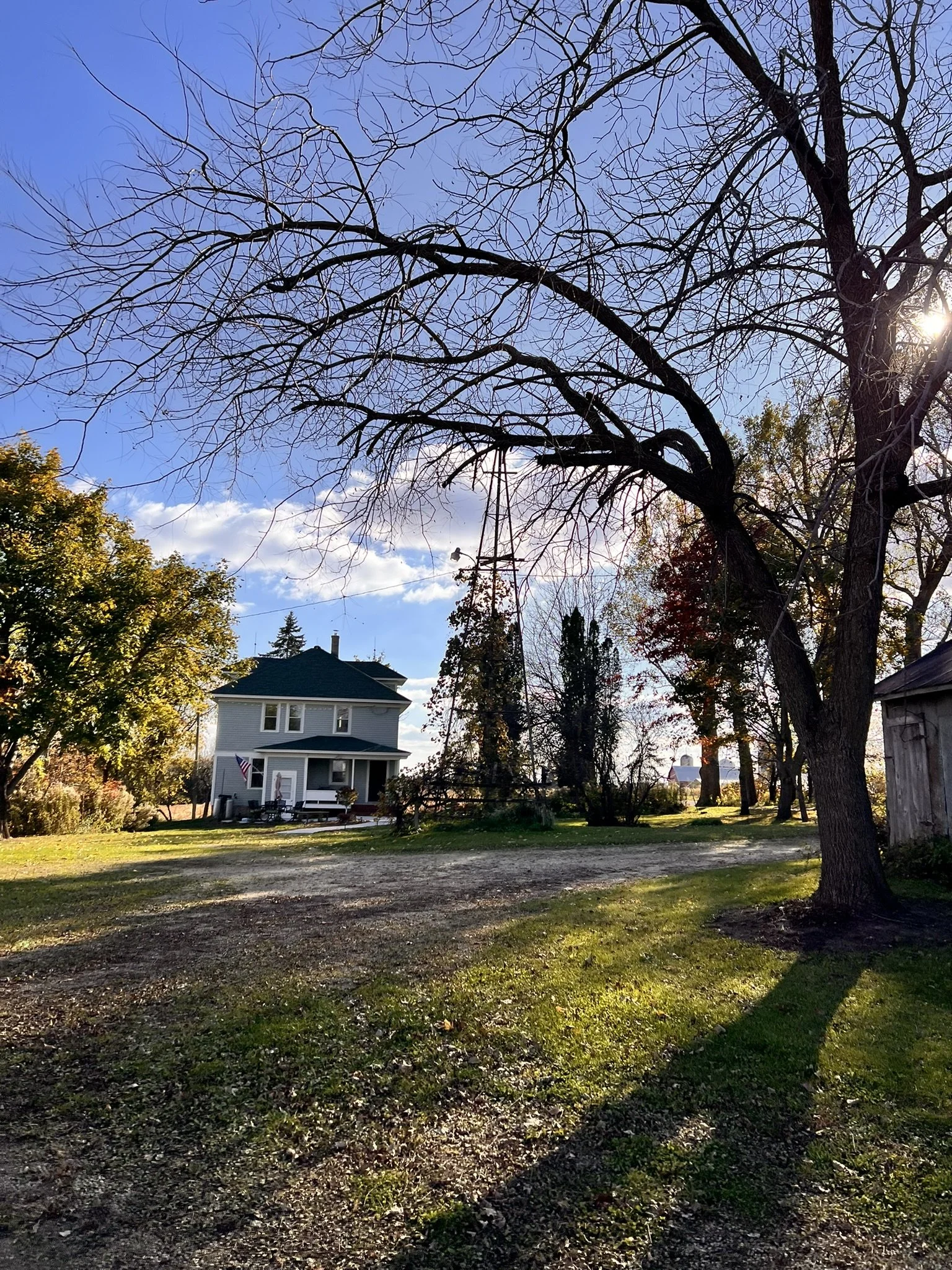
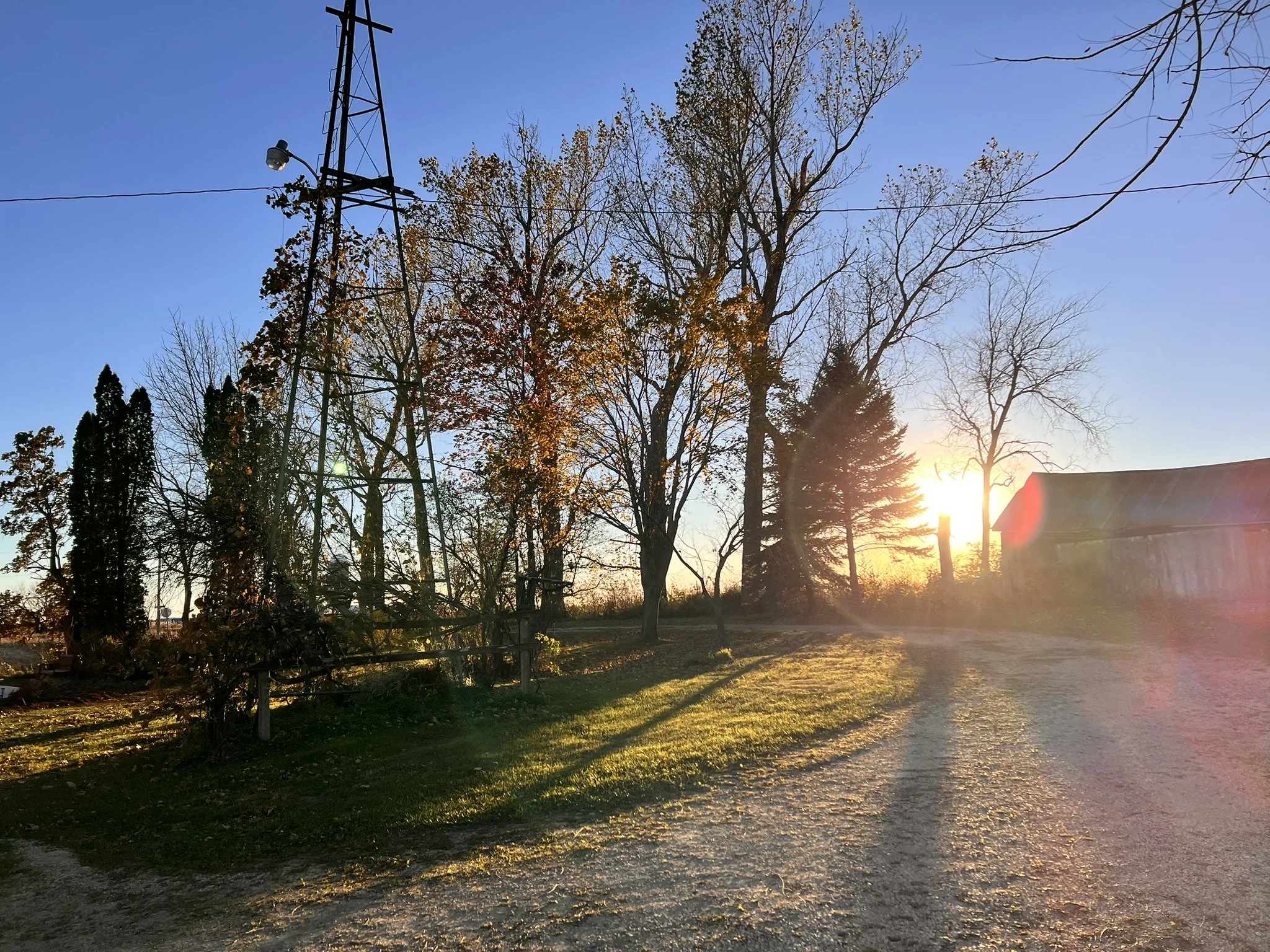
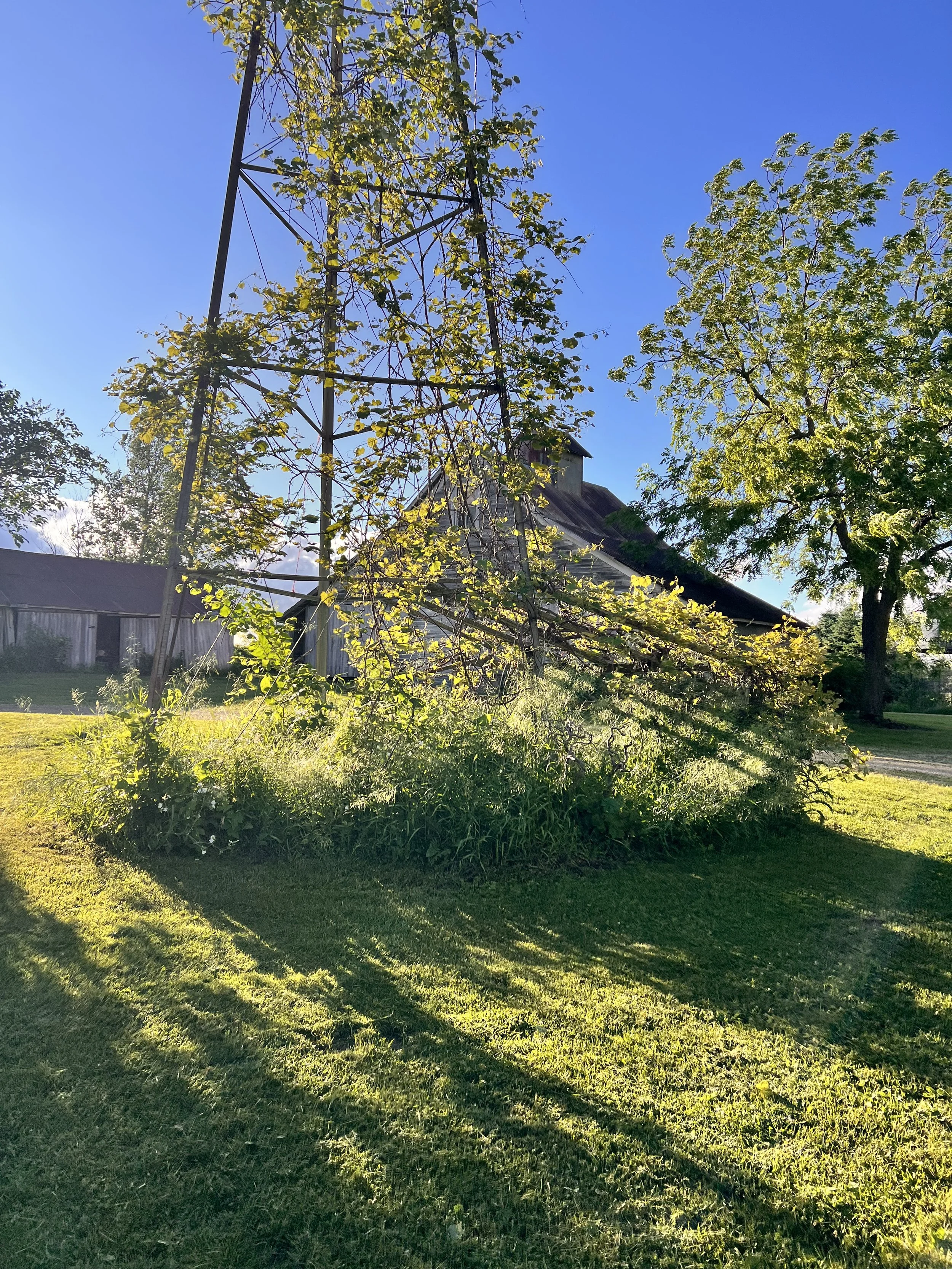
Her significant other, Jon, also left a lasting mark on the property through his love of vineyards. Jon had a passion for grapes and wine, and that legacy still continues today. Every September, grapes from the property are harvested and turned into homemade wine and grape jelly. The largest vine still climbs the old windmill, producing deep purple grapes that ripen in late August and are ready for harvest in September.
In 2024, following Susan’s passing, the property was sold and purchased by Tony and Katie Mellenthin. From the first walk across the land, it was immediately clear how special this farm truly was. The vision for Cottonwood Retreat is to thoughtfully improve and preserve the property while allowing it to remain a place of peace, rest, and connection.
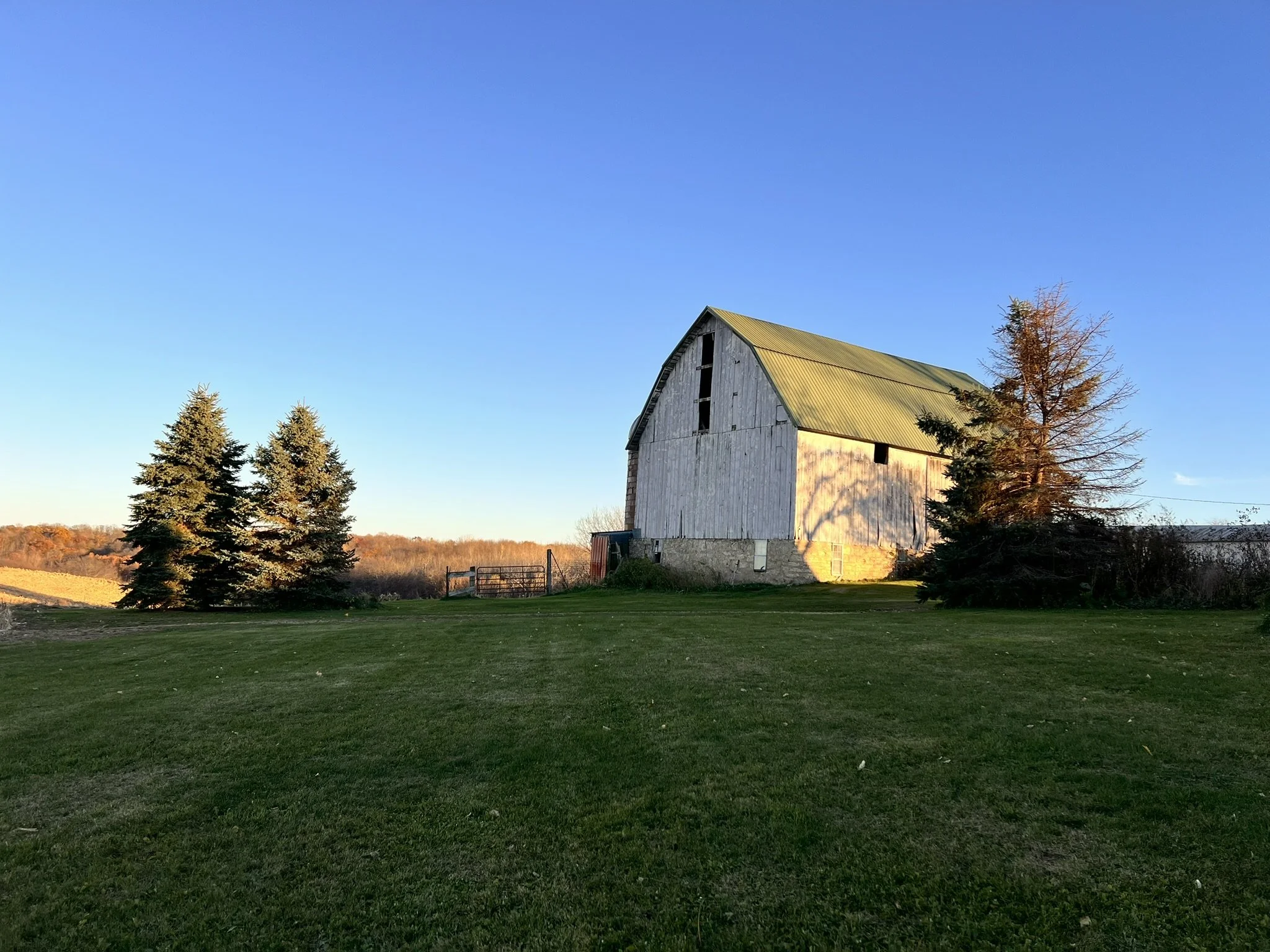
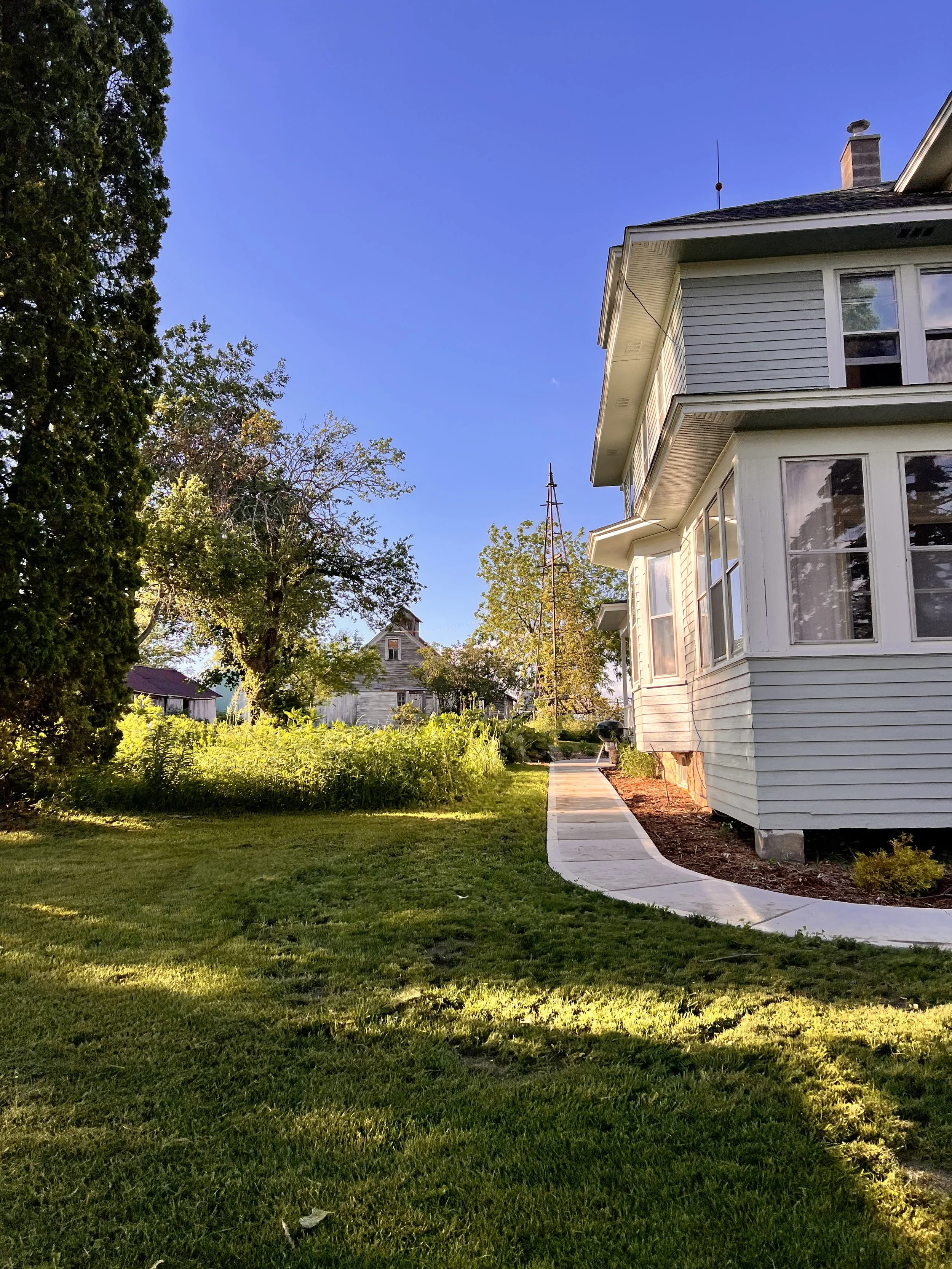
Cottonwood Retreat is more than just a farmhouse and barn. It is a place layered with generations of stories — stories of immigration, heartbreak, perseverance, restoration, and love for the land. Every weathered board, stone foundation, and field carries traces of the people who once called this place home. By sharing these stories, we hope the lives and memories tied to this century-old farm are never forgotten.